Wisdom Tooth Removal: What to Expect From Consultation to Recovery
At Piedmont Implant Oral Surgery in Oakland, CA, one of the most common procedures we perform is wisdom tooth removal. For many patients, the idea of oral surgery can feel intimidating. Questions about pain, recovery, and sedation are completely normal.
The good news is that wisdom tooth removal is a very routine procedure, and with modern imaging, surgical planning, and sedation options, it can be a smooth and comfortable experience. Our goal is to make sure you feel informed, prepared, and confident every step of the way.
In this guide, Dr. Han and our team walk through everything you should know about wisdom tooth removal—from why they’re removed to what recovery looks like.
Why Wisdom Teeth Are Removed
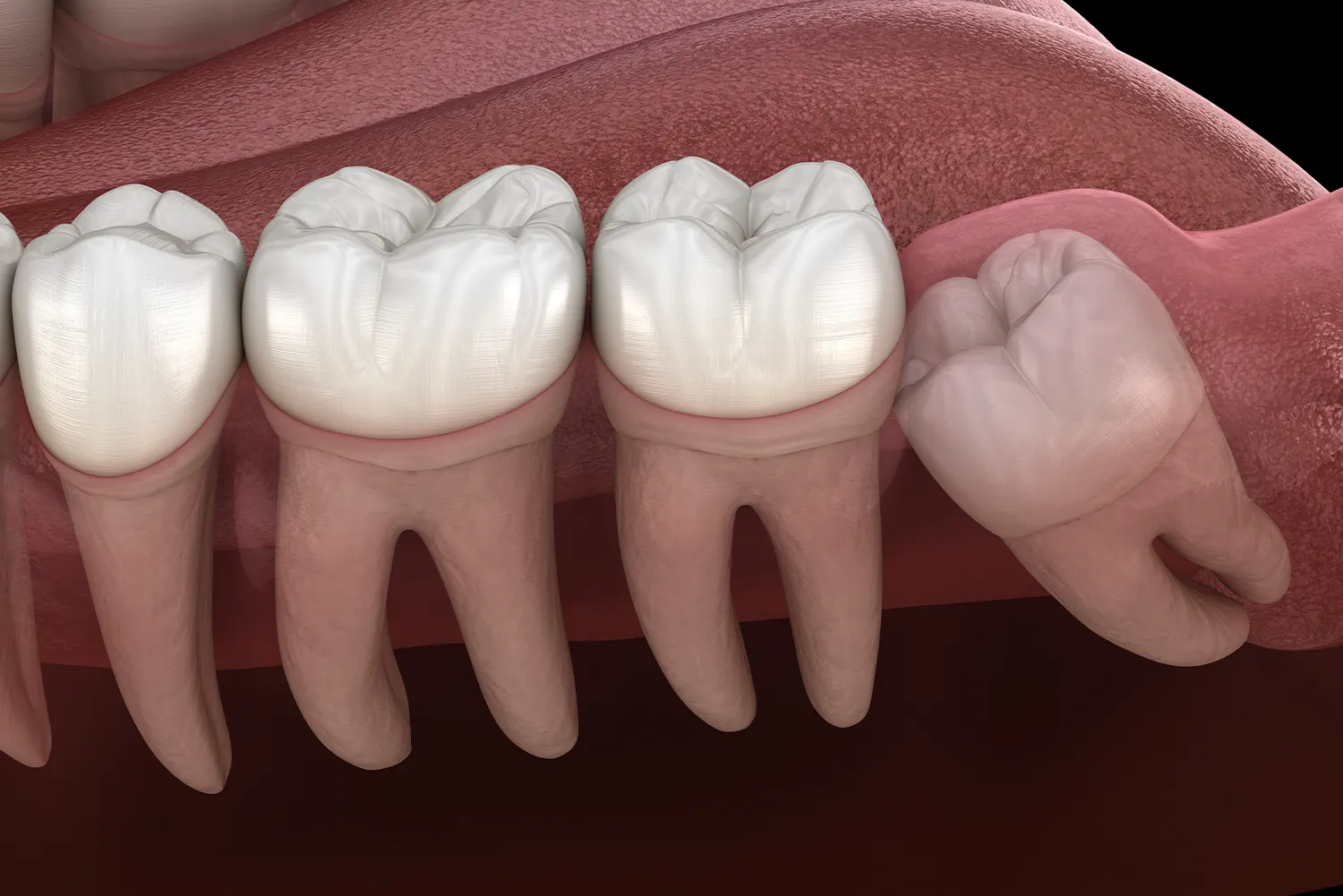
Wisdom teeth, also called third molars, are the last teeth to develop. They usually emerge between the ages of 17 and 25, although sometimes they remain partially or fully trapped beneath the gums.
While some people keep their wisdom teeth without issues, many patients experience problems that make removal the best option.
Pain Is Often a Late Sign of Trouble
One thing we often explain to patients is that pain in the mouth is usually a late finding.
For example, when someone develops a small cavity, it typically doesn’t hurt at first. Pain often doesn’t appear until the cavity grows deeper and begins to affect the nerve of the tooth.
Wisdom teeth can behave in a similar way.
By the time pain develops, the underlying problem—such as infection, pressure on nearby teeth, or gum inflammation—may already be significant.
That’s why regular dental exams and imaging are so important. They help us identify potential problems before symptoms appear.
Symptomatic Wisdom Teeth
About half of the patients we see come to us because they are already experiencing symptoms related to their wisdom teeth.
Common symptoms include:
- Pain in the back of the mouth
- Swollen or irritated gums
- Infection around the wisdom tooth
- Jaw discomfort
- Difficulty cleaning the area
- Food trapping around partially erupted teeth
When these symptoms occur, removal is often recommended to relieve discomfort and prevent the problem from worsening.
Preventative Wisdom Tooth Removal
The other half of our patients come to see us for a discussion about preventative wisdom tooth removal.
Even if wisdom teeth are not causing pain today, they may still pose risks over time, such as:
- Infection in the surrounding gum tissue
- Damage to neighboring teeth
- Development of cysts or other complications
- Difficulty maintaining proper hygiene in the area
In many cases, removing wisdom teeth earlier—before problems develop—can lead to a smoother recovery and fewer complications later.
At Piedmont Implant Oral Surgery, we always take the time to discuss your specific situation and help you decide whether removal now or monitoring over time is the best choice.
How We Prepare for Wisdom Tooth Removal
One of the most important parts of a successful surgery actually happens before the procedure even begins.
Careful planning allows us to perform surgery safely and efficiently while minimizing risks.
Advanced 3D Imaging
At our Oakland oral surgery practice, we use a state-of-the-art cone beam CT scanner to evaluate wisdom teeth before surgery.
This advanced imaging technology allows us to see a highly detailed 3D view of your jaw and teeth.
With cone beam imaging, we can evaluate:
- The exact position of the wisdom tooth
- How the tooth is oriented in the jaw
- Its proximity to important nerves
- Its relationship to the sinuses
- Nearby teeth and surrounding bone
This level of detail allows Dr. Han to plan every aspect of the procedure ahead of time.
Why Surgical Planning Matters
Every patient’s anatomy is different, and wisdom teeth can grow in many different positions.
Some teeth may be fully erupted, while others may be partially or fully impacted beneath the gums or bone.
By understanding these details in advance, we can:
- Choose the safest surgical approach
- Protect nearby nerves and structures
- Reduce surgical time
- Promote a smoother recovery
For patients, this preparation translates into a more predictable procedure and an easier healing process.
What Happens During Wisdom Tooth Removal
For many patients, the biggest question is simply: What happens during the procedure?
The reality is that wisdom tooth removal is something we perform very frequently, and modern techniques make the process highly efficient.
A Common Oral Surgery Procedure
As an oral and maxillofacial surgeon, Dr. Han has years of advanced surgical training that includes both complex dental procedures and anesthesia.
This extensive training allows us to safely perform wisdom tooth removal in our office using the latest surgical methods.
During the procedure:
- We administer sedation or anesthesia to keep you comfortable.
- The area around the tooth is carefully accessed.
- The tooth is gently removed.
- The site is cleaned and prepared for healing.
In many cases, patients are surprised by how quick and smooth the procedure is.
Modern Surgical Technology
At Piedmont Implant Oral Surgery, we only use state-of-the-art equipment and instruments.
Advanced tools allow us to perform surgery with greater precision and efficiency, which benefits patients in several ways:
- Reduced trauma to surrounding tissues
- Shorter procedure times
- Less post-operative discomfort
- Faster healing
Our goal is always to make the surgical experience as comfortable and stress-free as possible.
Sedation Options for Wisdom Tooth Surgery
It’s completely normal to feel nervous about oral surgery.
In fact, one of the most common concerns we hear from patients is anxiety about the procedure.
Fortunately, modern sedation options make wisdom tooth removal very manageable—even for anxious patients.
You Won’t See or Remember the Procedure
One of the things we often reassure patients about is that with sedation, you don’t have to see, hear, or remember any part of the surgery.
Many patients feel relaxed and comfortable throughout the procedure and wake up feeling like it was over quickly.
Sedation Options We Offer
As an oral and maxillofacial surgeon, Dr. Han is extensively trained in anesthesia and sedation.
We offer a range of sedation options depending on the patient and the procedure, including:
- Local anesthesia
- IV sedation
- Deeper sedation options when appropriate
The right option depends on several factors, including:
- Age
- Medical history
- Anxiety level
- Complexity of the surgery
Personalized Safety for Every Patient
For younger patients—such as teenagers having their wisdom teeth removed—we focus on creating a safe and comfortable experience.
For patients with more complex medical histories, we take extra care to review health conditions and medications before surgery.
In some cases, we may coordinate care with an anesthesiologist to ensure the safest possible environment.
At Piedmont Implant Oral Surgery, patient safety is always our highest priority.
What to Expect After Wisdom Tooth Removal
Another common question we hear is: What will recovery be like?
The good news is that most patients recover faster than they expect.
The First Few Days
Healing after wisdom tooth removal usually takes about three to four days before patients begin to feel noticeably better.
During this early recovery period, you may experience:
- Mild swelling in the cheeks
- Minor soreness or discomfort
- Temporary limitations on diet
For many patients, swelling is quite minimal, and discomfort is manageable with prescribed medications.
Each day after surgery, most patients feel steadily better.
Post-Surgery Instructions
After your procedure, we provide detailed recovery instructions to help ensure everything heals properly.
These instructions cover:
- Oral hygiene recommendations
- Medication guidelines
- Activity restrictions
- Diet suggestions
We’ve carefully developed these guidelines to support the fastest and smoothest healing possible.
If you ever have questions during recovery, our team is always available to help.
The Importance of a Soft Diet
One of the most important parts of recovery after wisdom tooth removal is following a soft diet for about one week.
What Is a Soft Diet?
We describe a soft diet as foods that can easily be rinsed away by drinking water or gently rinsing your mouth.
These foods are less likely to get trapped in the surgical sites while they heal.
Some common soft foods include:
- Ice cream
- Yogurt
- Mashed potatoes
- Smooth soups
- Applesauce
- Scrambled eggs
- Smoothies
- Oatmeal
Many patients find this part of recovery easier than expected.
Foods to Avoid
During the first week, it’s best to avoid foods that:
- Get stuck between teeth
- Require heavy chewing
- Are crunchy or sticky
Foods like chips, popcorn, nuts, and chewy candies should wait until the surgical areas have healed.
Once about a week has passed, most patients can gradually return to their normal diet.
Tips for a Smooth Recovery
Following a few simple steps can make a big difference in how quickly and comfortably you recover.
Follow Your Post-Op Instructions
Our post-surgery guidelines are designed to minimize complications and support healing.
Be sure to carefully follow the instructions provided by our team.
Stay on Top of Medications
Taking medications as directed helps manage discomfort and reduces the risk of infection.
Maintain Gentle Oral Hygiene
Keeping your mouth clean while avoiding irritation around the surgical sites helps promote healing.
Give Yourself Time to Rest
Your body heals best when you allow it time to recover.
Most patients can return to normal activities fairly quickly, but taking it easy during the first few days can make recovery smoother.
What About Pineapple Juice and Other Recovery Myths?
You may have heard online that drinking pineapple juice before oral surgery can reduce swelling.
While this idea has gained popularity on social media, the scientific evidence is still unclear.
As we often tell patients, the effectiveness of pineapple juice as a swelling remedy is still to be determined.
Instead of relying on internet trends, we recommend focusing on proven recovery strategies, including:
- Following post-operative instructions
- Eating soft foods
- Taking medications as prescribed
- Allowing time for healing
Wisdom Tooth Removal in Oakland, CA
If you’ve been told you may need your wisdom teeth removed—or if you’re experiencing pain in the back of your mouth—we’re here to help.
At Piedmont Implant Oral Surgery, Dr. Jesse Han and our team provide expert wisdom tooth removal in a comfortable, patient-focused environment.
From advanced imaging and surgical planning to personalized sedation and recovery support, we’re committed to making your experience as smooth and stress-free as possible.
If you’d like to schedule a consultation, contact our Oakland oral surgery office via our online form or at (510) 328-3448.
We look forward to helping you protect your oral health and feel confident about your care.
Related Posts
Can Botox at the Oral Surgeon Relieve Chronic TMJ and Jaw Pain?
What Are The Benefits Of Dental Implants Vs. Bridges For Oakland Patients?
Are Anxiety-Free Extractions Possible? Discover Our Oakland Surgical Sanctuary