What Are The Benefits Of Dental Implants Vs. Bridges For Oakland Patients?
When a tooth needs to be removed or has already been lost, one of the first questions patients ask is, “What should I do about the space?” For many people, the two most common options are a dental implant or a dental bridge.
Both options can replace a missing tooth. Both can restore the appearance of your smile. Both can help improve chewing function. But they are not the same, especially when it comes to how they affect the surrounding teeth and the long-term health of your mouth.
At Piedmont Implant & Oral Surgery in Oakland, CA, Dr. Jesse Han helps patients understand the full picture before making a decision. As an oral and maxillofacial surgeon, Dr. Han approaches implant treatment with advanced training in dentistry, medicine, surgery, anatomy, and healing. His goal is not just to replace a tooth. It is to help patients make a thoughtful, long-term decision that supports their overall oral health.
What Is A Dental Implant?
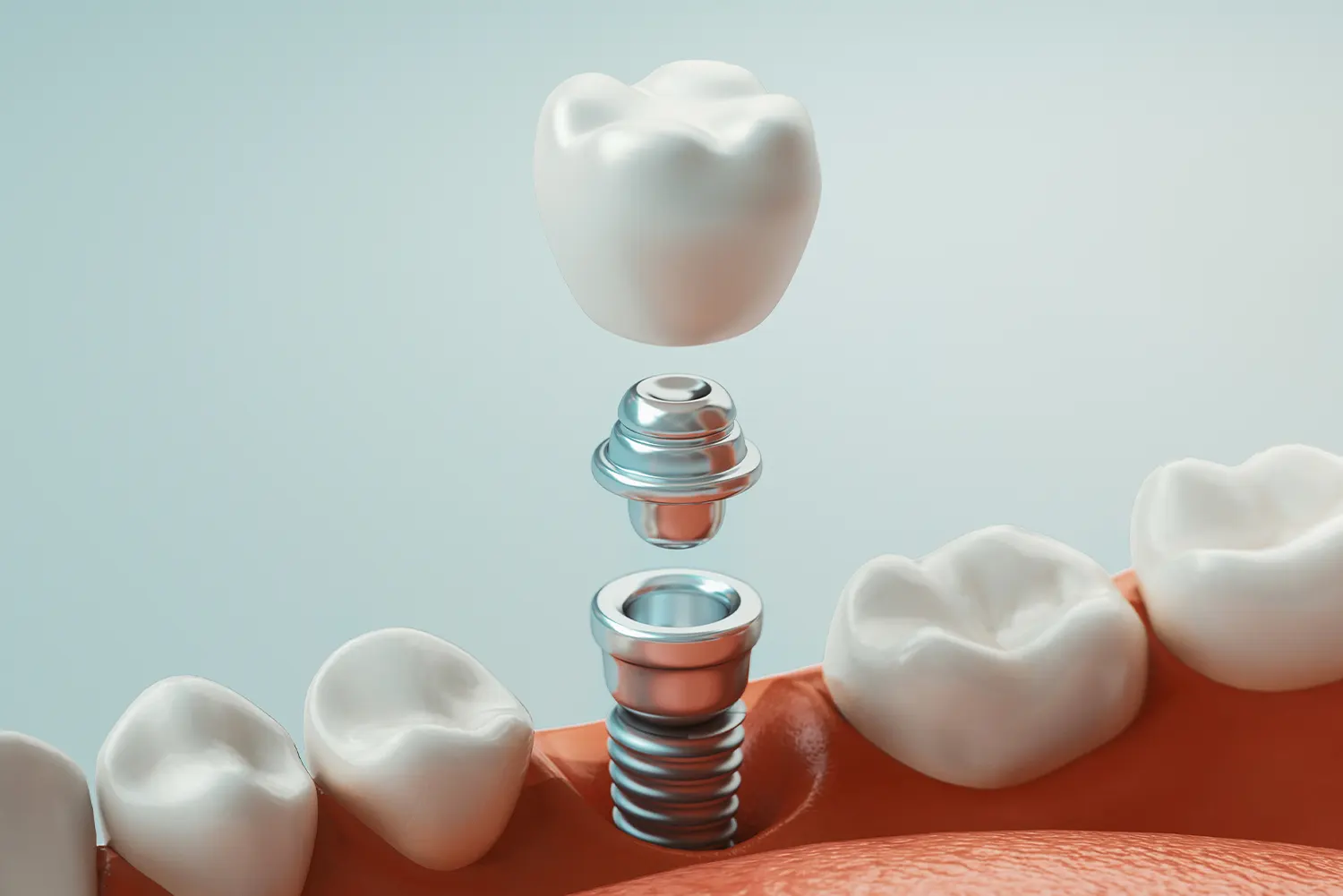
A dental implant is a tooth replacement option that functions like an artificial tooth root. The implant is placed into the jawbone, where it can support a custom restoration, such as a crown.
Once restored, a dental implant is designed to stand on its own. It does not need support from the neighboring teeth, which is one of the biggest reasons many patients choose implants over bridges.
In many ways, an implant is the closest option to getting another tooth. It replaces the missing tooth space without relying on the teeth next to it, helping preserve the natural structure around the area.
What Is A Dental Bridge?
A dental bridge is a restoration that replaces a missing tooth by anchoring to the teeth on either side of the space. These neighboring teeth are typically reshaped and covered with crowns, and the replacement tooth is attached between them.
Bridges have been around for a long time, and many patients are familiar with them. They can be a helpful option in certain situations, especially when the adjacent teeth already need crowns or restorative support.
However, a bridge affects more than the missing tooth space. Because it depends on neighboring teeth for support, those teeth become part of the restoration, even if they were otherwise healthy.
That difference is one of the most important things to understand when comparing dental implants and bridges.
Dental Implants Help Protect The Teeth Nearby
One of the biggest benefits of a dental implant is that it is isolated to the missing tooth space. If a problem ever develops with the implant restoration, it generally affects the implant area rather than the surrounding natural teeth.
A bridge, on the other hand, involves the teeth next to the empty space. Like any crown or dental work, bridges can develop issues over time. If something happens to a bridge, the neighboring teeth may also be affected because they are part of the same restoration.
Dr. Han often explains this difference when helping patients decide what to do after an extraction. With an implant, the goal is to replace the missing tooth while minimizing the risk of future problems for the teeth next to it. For patients who want to protect their natural teeth as much as possible, this can be a major advantage.
Dental Implants Can Help Prevent A Chain Reaction
When a tooth is removed and not replaced, the empty space can create problems beyond the area where the tooth used to be.
The teeth next to the space may begin to shift. The tooth above or below the missing tooth may move into the open space. Patients may also start chewing more heavily on the opposite side of the mouth to avoid the missing area.
Over time, that imbalance can lead to overuse of other teeth. Those teeth may experience more pressure, wear, cracks, discomfort, or other problems. In this way, replacing one missing tooth is not only about filling a gap. It can also help protect the rest of the mouth from taking on extra stress.
That is why Dr. Han often describes a dental implant as an investment in preventing future problems in other areas of the mouth.
Bridges Can Be Useful, But They Require Tradeoffs
Dental bridges are not “bad.” In fact, they can be the right choice for some patients. The key is understanding the tradeoffs.
A bridge may make sense if the neighboring teeth already need crowns or significant restorative work. In that case, using those teeth to support a bridge may be reasonable. A bridge may also be considered when a patient is not a candidate for implant surgery or prefers a non-surgical tooth replacement option.
However, when the adjacent teeth are healthy, reshaping them for a bridge can be a significant downside. Healthy tooth structure has to be altered to support the restoration. Once those teeth are involved, they need to be maintained as part of the bridge over time.
For many patients, especially those who want to keep the surrounding teeth untouched, an implant offers a more conservative long-term solution.
Why Bone Quality And Quantity Matter For Implants
Dental implants rely on the jawbone for support, which means the quality and quantity of bone are essential parts of treatment planning.
At Piedmont Implant & Oral Surgery, one of the most important steps Dr. Han takes is evaluating the bone where the implant would be placed. This includes looking at how much bone is available, how dense or healthy the bone appears, and whether additional support may be needed before implant placement.
If there is not enough bone, or if the bone quality is not ideal, there are techniques that can sometimes be used to improve the area. Bone grafting and other augmentation methods may help create a stronger foundation for a future implant.
Dr. Han’s recommendations are based on the patient’s health history, imaging findings, clinical exam, and long-term goals. This detailed planning helps ensure that implant treatment is not only possible, but thoughtfully designed for success.
The Importance Of Surgical Training And Whole-Body Understanding
As an oral and maxillofacial surgeon, Dr. Han is trained in dentistry, medicine, and surgery. This background gives him a deep understanding of anatomy, biology, healing, and how surgery may affect the patient as a whole.
That matters in dental implant treatment because successful outcomes depend on more than placing an implant in the right location. They also depend on understanding the patient’s healing potential, risk factors, medical history, bone biology, and overall health.
Every patient is different. Some may need a straightforward implant placement. Others may need a more advanced approach because of bone loss, health considerations, or previous dental work. Dr. Han uses his training and experience to determine which techniques are most appropriate for each patient.
Implant Planning Starts With The Final Tooth
One of the most important parts of Dr. Han’s implant process is planning with the final restoration in mind.
At Piedmont Implant & Oral Surgery, implant placement is guided by where the final crown should go, how the patient’s bite functions, and how the restoration should look. Dr. Han uses dynamic navigation technology with X-Guide to digitally plan the implant based on the future crown position.
This means treatment starts from a restorative perspective. Instead of simply placing an implant where bone is available, the plan is guided by the final result: the patient’s bite, appearance, comfort, and function.
That level of planning helps create a more precise and coordinated outcome, especially when working alongside the patient’s restorative dentist.
What To Expect If You Choose A Dental Implant
If you are considering a dental implant, the process starts with a comprehensive evaluation. Dr. Han takes dedicated time to explain what a dental implant is, what the healing phases are like, and how long-term implant maintenance works.
Patients can expect guidance before, during, and after the implant is placed. This may include imaging, treatment planning, surgical placement, healing time, and coordination with the restorative dentist who will complete the final crown.
Implants are a process, but that process is designed to create a stable, long-term replacement for the missing tooth. Dr. Han’s goal is to walk patients through each step so they understand what is happening and feel confident in their care.
Dental Implants Vs. Bridges: Which Is Right For You?
The best choice depends on your oral health, bone structure, neighboring teeth, medical history, budget, timeline, and personal preferences.
A dental implant may be a strong option if you want to replace a missing tooth without altering the teeth next to it, protect your bite, and invest in a long-term solution that functions independently.
A bridge may be a reasonable option if the adjacent teeth already need crowns, if implant surgery is not recommended, or if you prefer a different type of restoration.
The most important step is having a thoughtful conversation with a surgical expert who can explain your options clearly.
Explore Dental Implants In Oakland, CA
Losing a tooth can feel overwhelming, but choosing the right replacement option can help protect your smile for years to come. Dental implants offer several important benefits compared to bridges, especially when it comes to preserving nearby teeth, supporting long-term function, and creating a replacement that feels more like a natural tooth.
At Piedmont Implant & Oral Surgery in Oakland, CA, Dr. Jesse Han provides comprehensive implant evaluations with advanced surgical training, precise technology, and a restorative-driven approach to planning.
To schedule a consultation, call Piedmont Implant & Oral Surgery at (510) 328-3448.
Related Posts

Can Botox at the Oral Surgeon Relieve Chronic TMJ and Jaw Pain?
What Are The Benefits Of Dental Implants Vs. Bridges For Oakland Patients?
Are Anxiety-Free Extractions Possible? Discover Our Oakland Surgical Sanctuary