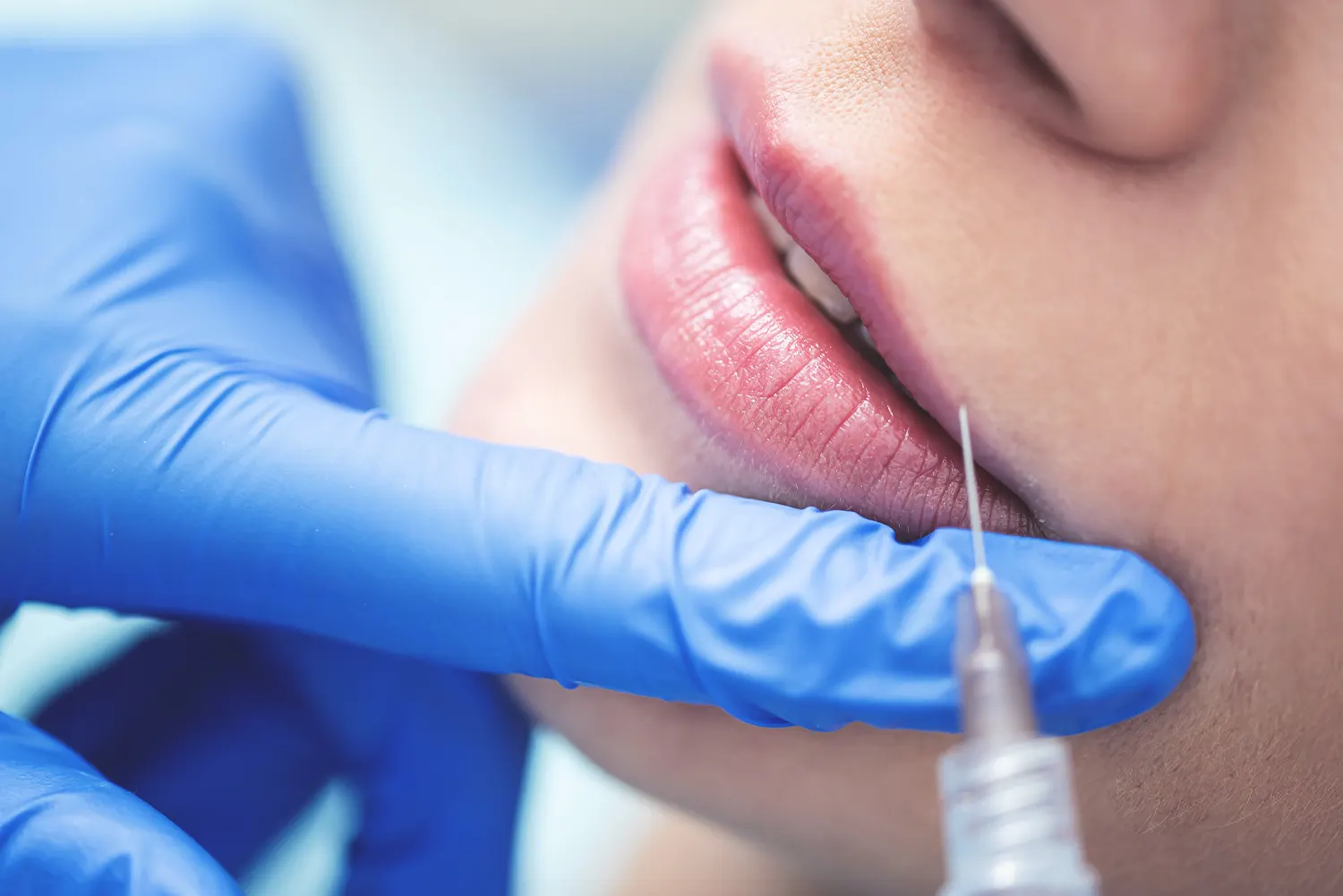
Can Botox at the Oral Surgeon Relieve Chronic TMJ and Jaw Pain?
When most people hear the word Botox, they think of smoother skin, softened wrinkles, and cosmetic treatment for the face and neck. But Botox can also be used for a very different reason: helping patients manage chronic jaw tension, facial pain, and muscle-related symptoms connected to TMJ disorders.
At Piedmont Implant & Oral Surgery in Oakland, CA, Dr. Jesse Han uses Botox as part of a thoughtful, diagnostic approach to complicated facial pain. For the right patient, Botox can help calm overworked jaw muscles, reduce painful tension, and create meaningful relief from symptoms that may have been affecting daily life for months or even years.
If you have been living with jaw pain, clenching, facial soreness, or TMJ-related discomfort, Botox at the oral surgeon may be worth exploring.
What Are TMJ Disorders?
The TMJ, or temporomandibular joint, is the joint that connects your jaw to your skull. You use this joint constantly throughout the day when you talk, chew, yawn, smile, and move your jaw. When the joint, surrounding muscles, or bite system are not functioning comfortably, patients may experience a range of symptoms often referred to as TMJ disorders or TMD.
TMJ disorders can affect patients in many different ways. Some people feel pain directly in the jaw joints. Others notice muscle soreness in the cheeks, temples, face, or neck. Some experience clicking, popping, tightness, headaches, difficulty chewing, or a feeling that the jaw is tired or overworked.
Because these symptoms can come from different sources, diagnosis matters. Not every case of jaw pain has the same cause, and not every patient needs the same treatment.
How TMJ Disorders Can Cause Facial Pain
Many TMJ-related symptoms are connected to the muscles of the face and jaw. These muscles work all day long when you eat, speak, swallow, and make facial expressions. They may also work overtime if you clench or grind your teeth, whether during the day or while sleeping.
Over time, constant muscle activity can lead to tension, soreness, and fatigue. Patients may feel like their jaw is always tight, their cheeks are tender, or their face aches by the end of the day. Some people wake up with jaw pain or headaches because of nighttime clenching.
This kind of muscle-related facial pain can be frustrating because it often becomes part of a patient’s daily routine. You may get used to stretching your jaw, avoiding certain foods, taking pain relievers, or living with tension that never fully goes away.
Botox may help by targeting the muscles that are contributing to that discomfort.
How Botox Helps With Jaw Pain
Botox works by relaxing targeted muscles. In the context of TMJ-related facial pain, it can be used to reduce the intensity of overactive jaw muscles that are constantly contracting from chewing, talking, clenching, or grinding.
Dr. Han describes Botox as a way to help “reset” the jaw muscles. When those muscles are repeatedly overused, they can stay in a cycle of tension. Botox can help interrupt that cycle, giving the muscles a chance to relax and reducing the pain or tightness they may be causing.
For the right patient, this can help simplify or reduce symptoms such as:
Jaw tension
Facial soreness
Muscle-related TMJ pain
Clenching-related discomfort
Headaches connected to jaw muscle strain
Tenderness in the cheeks or temples
A tired or overworked feeling in the jaw
Botox is not a cure for every type of TMJ disorder, but it can be a valuable tool when the source of pain is related to muscle overactivity.
Why See An Oral Surgeon For TMJ Botox?
Because Botox is often associated with cosmetic treatment, many patients do not realize that oral surgeons may use it for therapeutic purposes. At Piedmont Implant & Oral Surgery, Botox is used to help manage complicated facial pain when appropriate.
The difference is in the evaluation.
As an oral surgeon, Dr. Han approaches TMJ-related pain with a comprehensive understanding of the jaw, facial structures, muscles, and surrounding anatomy. His job is not simply to provide Botox. It is to determine whether Botox is actually the right solution for your symptoms.
That is why treatment begins with a careful evaluation and imaging. Before recommending Botox, Dr. Han wants to make sure the team is treating the right issue and that Botox is likely to help with the symptoms you are experiencing.
This step is important because jaw pain can come from several sources. It may be muscular, joint-related, dental-related, bite-related, or connected to another underlying concern. Imaging helps create a clearer picture so treatment can be more precise.
What To Expect During A TMJ Botox Consultation
If you visit Piedmont Implant & Oral Surgery for chronic jaw or facial pain, your appointment will begin with a conversation about your symptoms. Dr. Han will want to understand what you are feeling, how long it has been happening, what makes it better or worse, and how it affects your daily life.
You may be asked about clenching, grinding, headaches, chewing discomfort, jaw locking, clicking, popping, or pain in the face and neck. From there, imaging may be used to evaluate the jaw structures and help rule in or rule out certain causes.
If Botox appears to be a good fit, Dr. Han will explain how it works, what muscles may be targeted, what kind of relief you may expect, and how long results typically last. The goal is to give you clear information so you can make a confident decision about your care.
How Long Does Botox Last For TMJ Pain?
Botox for TMJ typically works for about three months after treatment. Some patients may notice relief sooner, while others may experience gradual improvement as the targeted muscles begin to relax.
Because the results are temporary, Botox may be repeated if it continues to be helpful and appropriate for your symptoms. For some patients, it becomes part of a broader TMJ management plan. For others, it may offer meaningful relief during a particularly painful or tense period.
During your consultation, Dr. Han can help you understand whether Botox may be a short-term tool, an ongoing management option, or part of a larger treatment approach.
Who May Benefit From Botox For TMJ Symptoms?
Botox may be helpful for patients whose symptoms are connected to overactive or tense jaw muscles. You may be a candidate if you experience chronic jaw tightness, facial muscle pain, clenching, grinding-related soreness, or recurring headaches associated with jaw tension.
It may also be worth exploring if you have tried other conservative approaches and still feel like your jaw muscles are constantly working too hard.
However, the right diagnosis is essential. Botox is most useful when muscle activity is a major contributor to the pain. If your symptoms are primarily caused by joint damage, infection, dental problems, or another issue, a different treatment may be needed.
That is why Dr. Han starts with evaluation and imaging before recommending treatment.
Real Relief For Patients Who Have Been Living With Chronic Pain
For patients who have been living with chronic TMJ-related discomfort, the possibility of relief can feel life-changing. Dr. Han often sees patients who come in after dealing with jaw pain and TMJ symptoms for a long time.
One of the most rewarding parts of offering Botox treatment is seeing patients try it for the first time and realize they can experience a level of symptom relief they did not think was possible. When jaw pain becomes part of everyday life, even simple improvements can make a major difference in how a patient eats, speaks, sleeps, works, and feels.
Explore TMJ Botox In Oakland, CA
Chronic jaw pain should not be something you simply learn to live with. If your jaw muscles feel overworked, your face feels sore, or TMJ symptoms are affecting your comfort, Botox may be able to help.
At Piedmont Implant & Oral Surgery in Oakland, CA, Dr. Jesse Han uses Botox to help manage muscle-related facial pain with a careful, diagnosis-first approach. By combining imaging, education, and a deep understanding of oral and facial anatomy, our team can help determine whether Botox is the right option for your symptoms.
To schedule a consultation, call Piedmont Implant & Oral Surgery at (510) 328-3448.
Related Posts
Can Botox at the Oral Surgeon Relieve Chronic TMJ and Jaw Pain?
What Are The Benefits Of Dental Implants Vs. Bridges For Oakland Patients?
Are Anxiety-Free Extractions Possible? Discover Our Oakland Surgical Sanctuary