Bone GraftingIn Oakland, CA
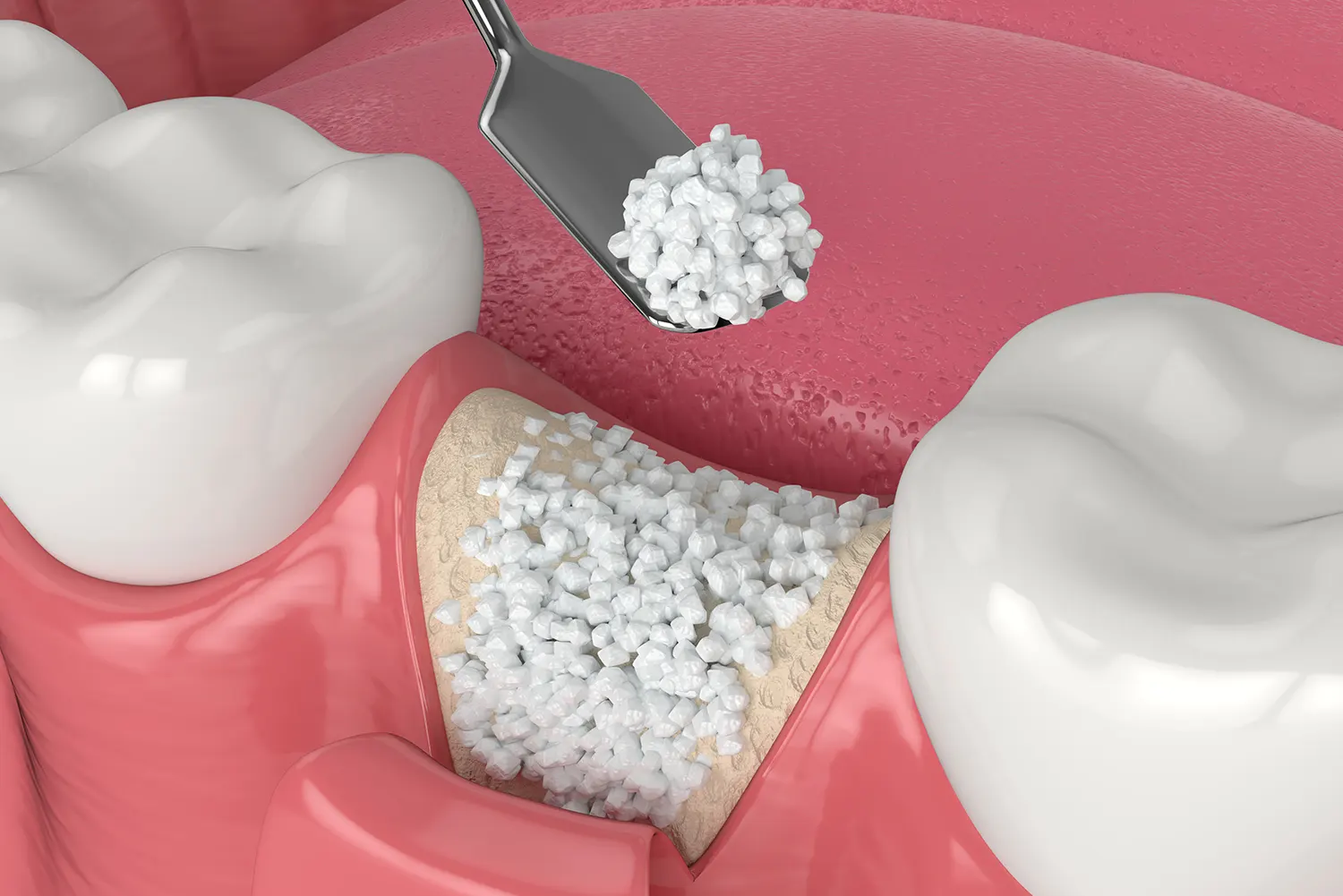
Bone grafting is a foundational procedure in modern oral surgery, especially for patients who have experienced bone loss from tooth extractions, gum disease, trauma, or long-term missing teeth. At Piedmont Implant Oral Surgery, bone grafting is used to rebuild areas of the jaw that no longer have enough healthy bone to support dental implants or maintain facial structure. When a tooth is removed, the bone that once supported it can gradually shrink. Over time, that natural remodeling process can leave gaps in the jaw that make future implant placement difficult or impossible without rebuilding first. Bone grafting solves that problem by adding material to the site so your body can regenerate strong, new bone.
Why Should I Get Bone Grafting?
If you are missing teeth or have been told you do not have enough bone for dental implants, bone grafting can be the bridge between where you are now and where you want to be. Without enough healthy jawbone, implants simply cannot be placed safely. The bone must be strong enough to anchor the implant post, just like natural roots anchor your teeth. Bone grafting builds that strength, giving implants a stable and lasting foundation.
Beyond preparing your mouth for implants, bone grafting also helps preserve your facial structure. When bone is lost, the lower face may begin to look sunken or collapsed, making you appear older than you truly are. By rebuilding lost bone, grafting helps maintain the natural contours of your face and jaw. This doesn’t just improve oral health—it supports facial aesthetics and long-term function.
%402x.svg)
The Benefits Of Bone Grafting
Restores lost jawbone
Bone grafting rebuilds areas that have thinned or disappeared over time, restoring strength and stability to the jaw.
Makes dental implants possible
By increasing bone volume, grafting creates a secure base where implants can integrate properly and last longer.
Preserves facial structure
Supporting the jaw helps prevent the sunken appearance that often develops when teeth and bone are missing.
The Bone Grafting Treatment Process
Personalized Evaluation and Planning
Every bone grafting journey begins with a thorough consultation and imaging process. Advanced scans allow your oral surgeon to measure how much bone you currently have and identify exactly where grafting is needed. This planning stage is crucial, because the type of graft used and the technique chosen depend on how much bone loss has occurred and what your goals are—especially if you are aiming for dental implants in the future. During this visit, you’ll also discuss your medical history, timeline expectations, and treatment preferences. Whether you need a minor graft after an extraction or a more advanced reconstruction, everything starts with understanding your unique anatomy and creating a plan that works with it.

Bone Graft Placement
Once your plan is finalized, the grafting procedure is scheduled. The grafting material is carefully placed into the targeted area of the jaw. In many cases, this material comes from sterile, medically processed sources that are safe and proven. In other situations, your own bone may be used, depending on how much volume needs to be restored. The graft acts as a framework that your body can grow into over time. A protective membrane may be placed over the site to encourage healing and stability. While the word “surgery” can sound intimidating, most patients are surprised by how manageable the procedure feels and how smooth the experience can be with proper care and anesthesia.
Healing and Bone Regeneration
Healing from bone grafting happens in two important phases. The first phase is the early recovery period, usually lasting about four to five days. During this time, mild swelling and discomfort are expected, but most patients feel ready to resume normal routines quickly. The second and longer phase is when true regeneration occurs. Over the next three to five months, your body converts the graft into natural bone. This is a quiet process happening beneath the surface, but it’s a powerful one. When healing is complete, the grafted area becomes strong enough to support dental implants or simply maintain a healthier jaw. Follow-up visits ensure everything is progressing properly and that you are on track toward your long-term goals.
FAQs
Frequently Asked Questions
Check out these frequently asked questions, or call us to speak with our team.
Bone grafting is a surgical procedure used to restore areas of the jaw that have lost bone mass due to tooth extraction, gum disease, trauma, infection, or long-term missing teeth. When a tooth is removed and not replaced, the jawbone no longer receives the stimulation it needs and gradually shrinks. Bone grafting replaces that lost volume using specialized graft material that supports new bone growth. Over time, your body naturally integrates this graft into your existing bone structure. The process is called "osseointegration," and it allows your jaw to become strong again—capable of supporting dental implants or maintaining natural facial contours. Rather than being just a filler, the graft serves as a scaffolding that signals the body to rebuild lost bone.
One of the most common concerns patients have is pain, but in reality, bone grafting is usually much more comfortable than people expect. Modern techniques and medications help make the procedure itself virtually painless. Most patients report mild soreness or pressure afterward, similar to what is felt after a tooth extraction. Swelling is usually minimal and manageable with over-the-counter or prescribed medication. Most discomfort peaks within the first two to three days and then improves rapidly. By day four or five, many patients feel nearly back to normal. Choosing an experienced provider and following aftercare instructions greatly reduces complications and speeds up recovery.
Healing happens in two phases. Initial healing occurs in about four to five days, during which gum tissue begins to close over the grafted area. Longer-term bone regeneration takes place over three to five months as your body slowly converts the grafted material into your own natural bone. The timeline depends on the type of graft, your overall health, and how much regeneration is needed. Smoking, poor nutrition, and uncontrolled medical conditions can slow healing, while good oral hygiene and proper rest help speed it up. Once the bone has matured, dental implants can usually be placed safely.
There are several types of bone graft materials, and the best option depends on your needs. Some grafts come from carefully processed and sterilized sources that are incredibly safe and effective. In certain situations, your own bone may be used, often taken from another area of the jaw. Synthetic materials that mimic natural bone structure may also be used in certain cases. Your surgeon will help determine which option is best based on your anatomy, goals, and the amount of bone needed. Each type has advantages, and a personalized approach ensures optimal results and healing.
Yes, in many cases you still can. Even patients who have experienced significant bone loss can often become implant candidates after grafting. Bone grafting rebuilds the foundation needed for safe implant placement, even if teeth have been missing for a long time. Many patients are surprised to learn that bone restoration is possible years after extractions. Length of time alone does not disqualify you from receiving implants. A consultation and imaging will determine what is needed to rebuild your jaw and restore your smile.